Manila: Mount Pinatubo 4X4 & Hiking Trip
Transport includedMountain fees coveredLicensed guide
From $101 per person
The listings call it a summit hike. Their own reviewers call it an easy three kilometres. Both are describing the same walk, and if you have never done anything like it, the gap between those two descriptions is exactly what you need resolved before you book.
One listing calls Mount Pinatubo an excellent choice for novice climbers, with well-marked and easy trails, and puts the climb at one to two hours depending on your pace. Another asks for moderate physical fitness rather than experience, and rules out travellers with back or heart conditions. A third sets a minimum age of ten. Nothing in any of them mentions scrambling, exposure or equipment.
The feedback is more useful than the listings, because it is specific. One traveller calls it a fun adventure and says plainly that it is not a hiking trip: an easy three kilometres each way, with an optional 250 metres down to the lake and back up. Another puts it at five kilometres over rocks and through streams and tells you to be ready for that. A third, travelling alone, calls it one of the easier walks he has done.
Those are not contradictions. They are the same walk described by people with different expectations, and the honest summary sits between them.
Six expectations, and only one of them is about the walking.
| What people expect | What it actually is | What to do about it |
|---|---|---|
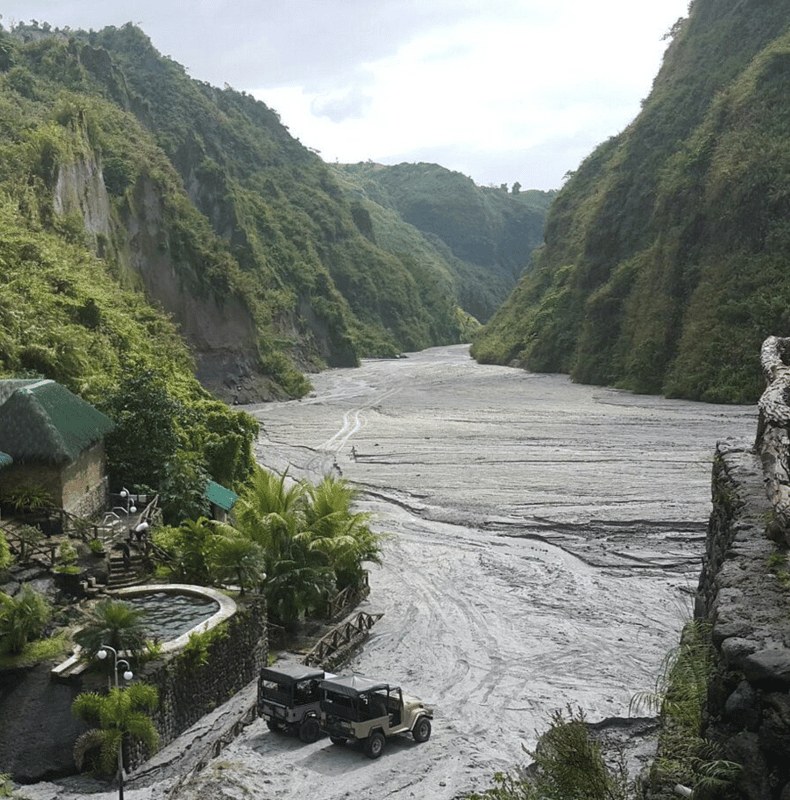
| A steep climb | A valley floor with a gentle gradient almost throughout | Nothing. This is the easy part |
| A short walk | Three to five kilometres each way, one to two hours | Train for duration, not for gradient |
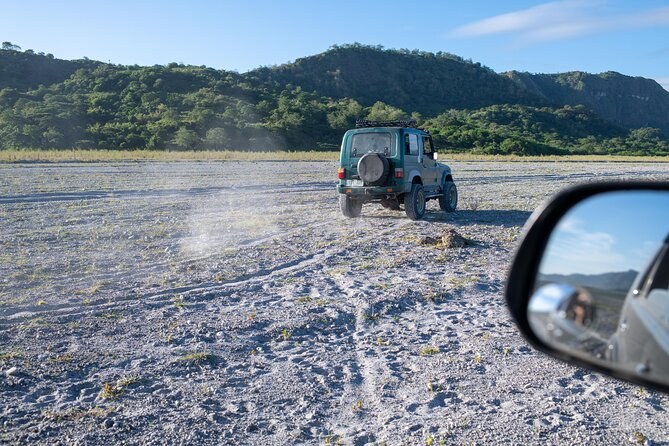
| A path | Loose rock, gravel and boulders in a riverbed | Trail shoes, never boots and never flip-flops |
| Dry ground | Several shallow water crossings | Shoes you are happy to soak |
| Some shade | None, anywhere, at any point | Hat, sunscreen, two litres of water |
| A normal day | Up at 23:00, back at 22:30 the next night | This, not the walk, is the hard part |
Everybody focuses on the trek and it is the wrong thing to worry about. The shared crater day meets at 11pm and returns at half past ten the following night. You are awake for around twenty-two hours, of which six or seven are spent in a vehicle. If you have any doubt about the day, that is where it belongs.
Two things reduce it. Starting from Clark instead of Manila takes about two hours off each end. And a private day with collection from your own address lets the departure sit where you want it. Getting to the jump-off has the road times.
You do not need to train for this walk, but if it is the longest you will have done, three weeks of easy preparation makes it a better day. Walk for ninety minutes on consecutive weekends, on the worst ground you can find rather than on pavement, in the shoes you plan to wear. That is the whole programme. The point is not fitness; it is finding out whether your shoes rub before you are five kilometres up a riverbed with no way back except on foot.
The two things worth actually testing are footwear and hydration. Wet shoes on rough ground behave differently from dry ones, so cross a stream in them at least once. And carrying two litres of water is heavier than most people expect, which is a good argument for a pack rather than a bottle in each hand.
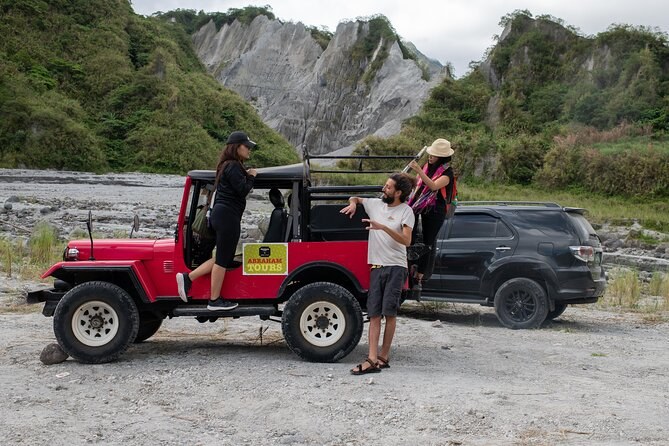
Every crater day includes a local guide, and on the private hike the ratio is one guide to every five travellers, with a 4x4 seating five. They are not there to lecture — one reviewer notes plainly that his did not offer much history — but they set the route through a riverbed that changes with every wet season, they read the water, and they decide the pace.
That last one is the part first-timers underuse. Say at the start how you want to pace it and the day gets easier; one traveller records his guide letting the group turn back early once they had seen everything, which got them home at a sensible hour. The guide is also the person who calls it off if the crossings are too high, and that judgement is a large part of what the fee buys.
If you have a back or heart condition, if you are travelling with a child under ten, or if two hours on your feet in strong sun is not realistic, this is not the day. That is not a reason to skip the mountain. The Puning Hot Spring day uses the same volcanic country on the Pampanga side, collects from your address, runs eight hours rather than fourteen and involves no trekking at all. It is a genuinely good day out rather than a consolation prize.
Sore feet rather than sore legs, in most accounts, because the work is duration on uneven ground rather than climbing. The other thing nobody warns you about is the dust: you finish grey to the knee and grittier than you expect, which is why the homestays at the jump-off sell showers and why a change of clothes belongs in the van. Sleep is the last consideration. Back in Metro Manila at half past ten at night after twenty-two hours awake is not the evening to have booked anything else into.
If you can walk for two hours on rough ground in strong sun, you can do this. If you can also stay awake for twenty-two, you will enjoy it. Almost nobody who has done it describes the walk as the difficult part, and almost everybody mentions the drive. None departures run through the dry season, and the month you pick decides how long the walk turns out to be.
Judge this day by its hours rather than by its gradient. Every departure is on Mount Pinatubo Tours.
From $101 per person
From $107 per person